
Get Started!

Summary:
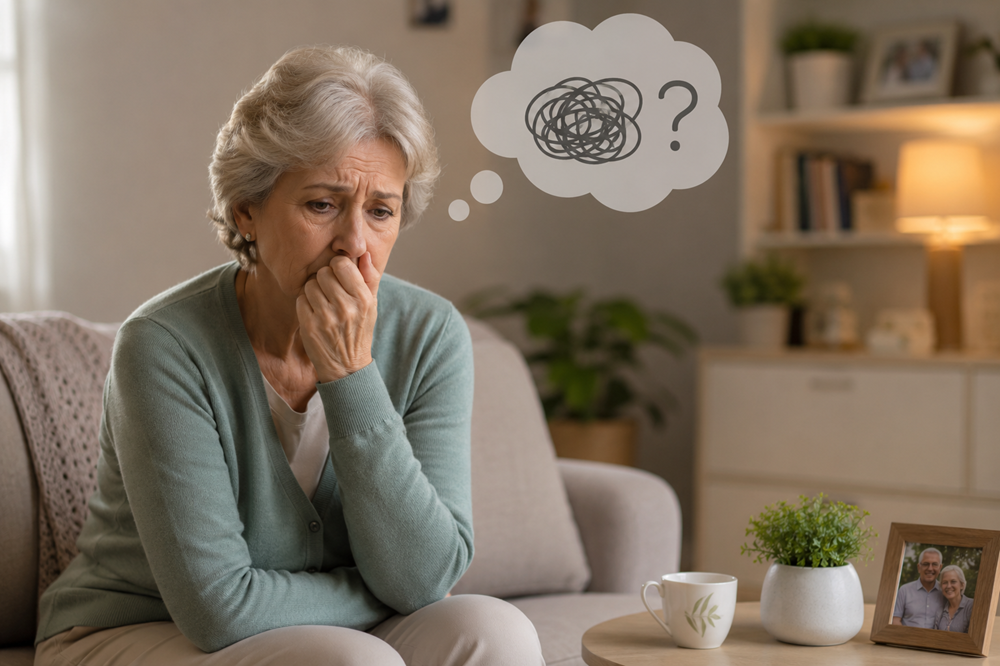
Understanding anxiety in older adults can help families take action before it begins affecting a loved one’s health and independence. This blog explains the warning signs that are often overlooked, the factors that can contribute to anxiety later in life, and practical strategies for creating a calmer, more supportive daily routine. It also highlights how personalized in-home care can provide reassurance, consistency, and compassionate support, helping seniors feel more secure while giving families greater peace of mind.
Anxiety in older adults is often overlooked, mistaken for normal aging, or dismissed as simple worry. Yet recognizing the signs early and understanding effective ways to calm anxiety can dramatically improve a senior’s quality of life. At Your Side Home Care, we see firsthand how untreated anxiety affects not just emotional well-being but physical health, sleep, and independence. Through home care services at At Your Side Home Care, seniors receive compassionate, one-on-one support that promotes emotional wellness while helping them remain safe and comfortable in familiar surroundings.
For families across the United States caring for aging parents or spouses, learning to identify anxiety symptoms and respond with practical calming techniques is an essential part of compassionate caregiving. This guide explores the signs, common causes, and proven ways to calm anxiety in seniors, along with how professional in-home support can help.
Older adults frequently underreport emotional symptoms, sometimes because of generational attitudes toward mental health, and sometimes because anxiety symptoms overlap with other medical conditions. Fatigue, restlessness, or irritability can easily be attributed to aging, medication side effects, or chronic illness rather than an underlying anxiety disorder.
This makes it especially important for family members and caregivers to watch for subtle behavioral changes rather than waiting for a senior to voice their distress directly.
Recognizing anxiety early starts with knowing what to look for. Common signs include persistent worry that seems disproportionate to the situation, restlessness or an inability to relax, trouble sleeping or frequent nighttime waking, avoidance of social situations they once enjoyed, and physical symptoms such as a racing heart, upset stomach, or tension headaches.
In some cases, anxiety may present as increased confusion or agitation, which can be mistaken for cognitive decline. A careful, patient observation over several days often reveals the true pattern.
Anxiety in older adults rarely stems from a single cause. Instead, it typically results from a combination of physical, emotional, and situational factors.
Chronic pain, medication interactions, and conditions such as heart disease or thyroid imbalances can all contribute to anxiety symptoms. Additionally, fear of falling or worsening health can create a persistent undercurrent of worry.
Retirement, the loss of a spouse or close friends, and decreased independence are major life changes that can trigger or worsen anxiety. Seniors may also experience anticipatory anxiety about future medical decisions or the possibility of needing more intensive care.
A lack of regular social contact is one of the most significant and modifiable contributors to anxiety in seniors. Loneliness can amplify worry and make it harder to cope with everyday stressors.
Once anxiety is recognized, there are several practical, evidence-informed anxiety strategies for adults that families and in-home caregivers can use.
Consistency reduces uncertainty, which is often at the root of anxious feelings. A steady daily schedule for meals, medication, and rest can provide a comforting sense of control.
Listening to calming or familiar music has been shown to lower heart rate and reduce stress hormones. Music to calm anxiety works especially well during moments of heightened agitation, such as before a medical appointment or during a difficult transition in the day.
Guided breathing exercises and calm meditation for anxiety can be adapted for seniors of all mobility and cognitive levels. Even five minutes of slow, guided breathing can meaningfully reduce physical tension and racing thoughts.
Short walks, stretching, or chair exercises release tension and can serve as an effective technique to calm anxiety, particularly when paired with fresh air and a change of scenery.
Regular visits from family, friends, or a trusted caregiver directly counter the isolation that fuels anxiety. Simple conversation, shared meals, or a favorite hobby can be remarkably grounding.
Reducing background noise, ensuring good lighting, and minimizing clutter can lower sensory overload, which often intensifies anxious feelings in older adults.
Professional caregivers play a unique role in managing anxiety because they observe patterns over time and can respond consistently. At Your Side Home Care, our team is trained to recognize early warning signs and apply calming techniques tailored to each client’s preferences and needs.
Because our caregivers are available 24 hours a day, seven days a week, including holidays, families have peace of mind knowing that anxious moments, especially those that occur at night or during unexpected transitions, are met with patient, experienced support.
Our philosophy of helping every client live their best life possible extends directly to emotional wellbeing. We understand that calming anxiety isn’t a one-time fix, but an ongoing, relationship-based process built on trust and familiarity.
When a senior is experiencing an anxious episode, staying calm is essential. Speak slowly, validate their feelings rather than dismissing them, and gently guide them toward one of the calming techniques above. Avoid overwhelming them with too many questions or solutions at once.
Over time, tracking what triggers anxiety and which strategies help most can turn caregiving into a more proactive, less reactive experience for the whole family.
Recognizing anxiety in seniors early, and responding with practical, compassionate strategies, can transform daily life for both the individual and their family. From calm meditation for anxiety to the simple power of music and companionship, there are many effective ways to calm anxiety that fit naturally into everyday routines.
At Your Side Home Care, we’re dedicated to supporting the emotional well-being of every client we serve, not just their physical needs. If you’re noticing signs of anxiety in a loved one, reach out to our team to learn how our compassionate, around-the-clock care can help bring calm and stability back into their life.
1. What are the earliest signs of anxiety in seniors?
Early signs often include restlessness, disrupted sleep, increased irritability, and avoidance of previously enjoyed activities. These changes are sometimes subtle and develop gradually.
2. Can music to calm anxiety really make a difference for older adults?
Yes. Familiar, calming music can lower heart rate and reduce stress hormones, making it one of the most accessible and effective anxiety strategies for adults.
3. Is calm meditation for anxiety appropriate for seniors with limited mobility?
Absolutely. Meditation and guided breathing exercises can be done seated or lying down, making them accessible regardless of physical limitations.
4. How is anxiety different from normal worry in older adults?
Anxiety involves persistent, often disproportionate worry that interferes with daily functioning, sleep, or relationships, whereas normal worry tends to be temporary and tied to a specific, resolvable concern.
5. When should a family seek professional help for a senior’s anxiety?
If anxiety symptoms persist for more than a few weeks, interfere with daily activities, or are accompanied by physical symptoms, it’s time to consult a physician or mental health professional.
6. Can in-home caregivers help manage anxiety without medical training?
Trained caregivers can provide invaluable support through routine, companionship, and calming techniques, working alongside medical professionals rather than replacing clinical care.

Each office is independently owned and operated and is an equal opportunity employer. At Your Side operates as At Your Side in the Houston area.

© 2026 At Your Side Franchise Systems, LLC.